 Your Privacy Choices
 California Privacy Notice


Brazil Food Facts: 15 Things You Didn’t Know About Brazil
Brazil is a huge and vibrant country with hundreds of millions of people. It stands to reason that our food culture is hugely varied, right? There’s a ton to learn and uncover, and you can easily spend a lifetime just exploring Brazil’s food if you want.
Despite all of this, many people don’t know the first thing about Brazilian food. They might lump us in with Latin American cuisine or just make assumptions based on a few Brazilian menu items they’ve seen – which may or may not even be something we like in Brazil.
If you’re interested in learning more about Brazilian food culture but don’t know where to start, why not check out these fun facts about our food? They might tickle your fancy and give you an idea of what you might want to research or try out for yourself.
Table of Contents
1: Brazilians Love Their Sweets
There’s a stereotype around the world that Americans love their sweets. From the hundreds of different kinds of candies lining the shelves to the sweetened breakfast cereals consumed by millions of children every day to the fact that even the bread here has so much sugar in it that some countries wouldn’t even classify it as bread, sugar seems like one of the biggest food groups in the country.
Brazil is almost the same, but in some ways, we’re even more fond of sweets. The difference is in the form those sweets take. We don’t have nearly as many candies, but we have a ton of baked goods. Chocolate is produced in Brazil, and many of our sweets involve chocolate in some capacity. Others are puddings, cakes, pies, and other baked desserts.

While Brazilians don’t tend to have overly sweet breakfasts the way Americans often do, we do still have sweets somewhere, whether it’s a sweetened coffee drink to start the day or a sweet to round out a meal or sweets to snack on throughout the day.
Want to learn more about Brazilian sweets? We have a whole post dedicated to Brazilian sweets and desserts right here.
2: Tapioca is Native to Brazil
What comes to mind when you think of tapioca? The pudding-like sweet treat? The pearls in your boba tea?
Tapioca is actually a starch, and it comes from a root vegetable. That root vegetable goes by many names: tapioca, cassava, manioc, and yuca, just to name a few. The starch is extracted and used for many different things in Brazil because it’s one of our staple carbohydrate sources and has been for a very long time.
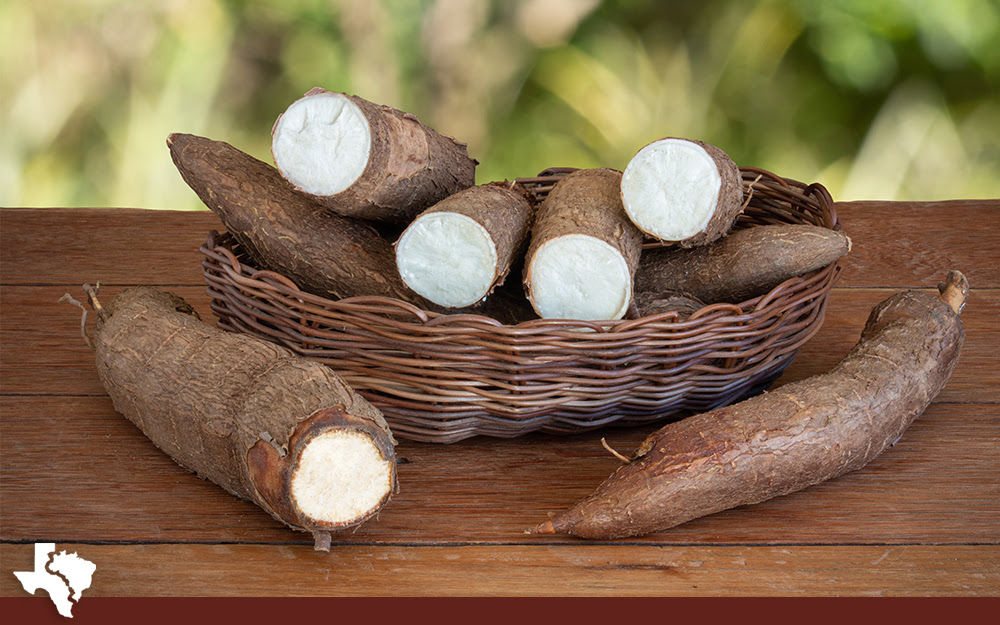
Cassava, the plant, is native to Brazil. Anywhere else in the world that you find it is a place it was exported to from Brazil some time in history. We use it for all sorts of things, from a thickener, to the base ingredient for farofa, to a flour replacement for cheese bread, and more. It’s easy to work with, delicious when prepared right, and extremely versatile. And it’s ours!
3: Brazil’s National Dish is Feijoada
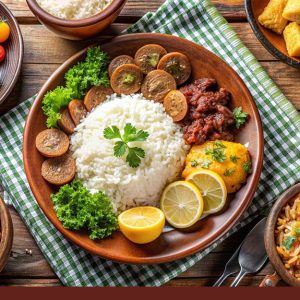
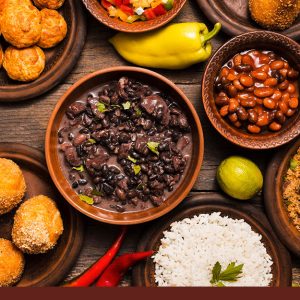
Feijoada is the national dish of Brazil. To say we eat it a lot is a bit of an understatement. It’s one of the most popular foods found at nearly every restaurant, in every family’s recipe book, and anywhere else it can be enjoyed.
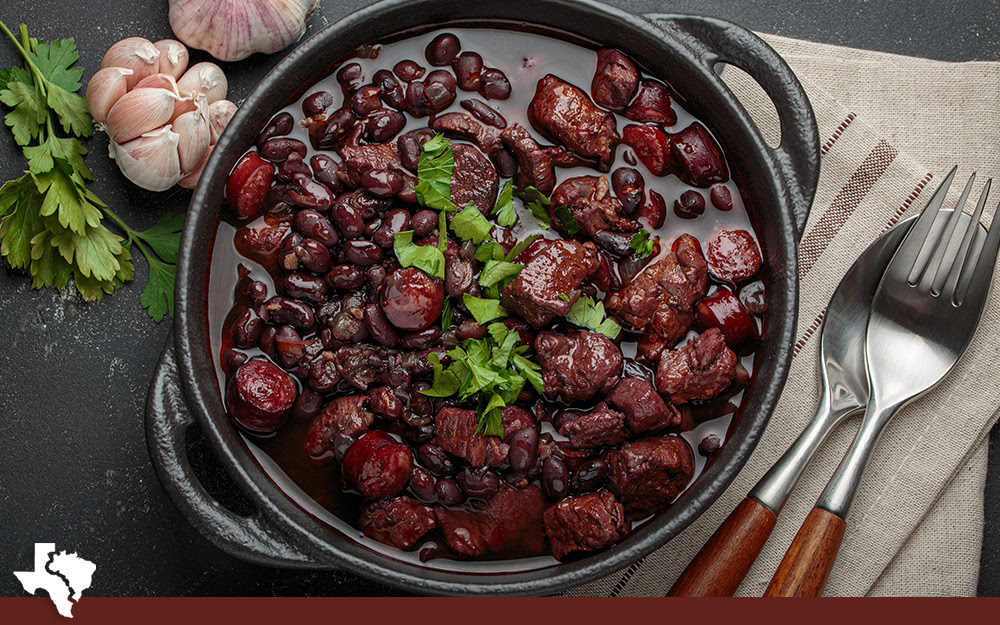
What is it? Basically, it’s a black bean stew. It’s sort of like a soul food, to borrow from American parlance: a hearty, warm, comforting food made with basic ingredients and a lot of love. It originally came from slaves on the sugar plantations, making the most of the ingredients they had access to, like pigs’ feet and ears, beans, sausages, rice, and the occasional seasonings.
These days, Feijoada can be made with a million different recipes, from the down-to-earth to the upper-class. It’s a dish enjoyed by the rich and poor alike, after all. If you’re interested in giving it a try, these Brazilian black beans are a staple of our menu here at Texas de Brazil, or you can find a recipe and make it yourself.
4: Coffee is a Central Part of Life
Coffee is another staple of Brazilian culture. Unlike cassava, coffee isn’t actually native to Brazil. But, since Brazil is huge and has perfect conditions for growing it, we’ve become the world’s largest coffee producer, and coffee is a way of life for many throughout the country.
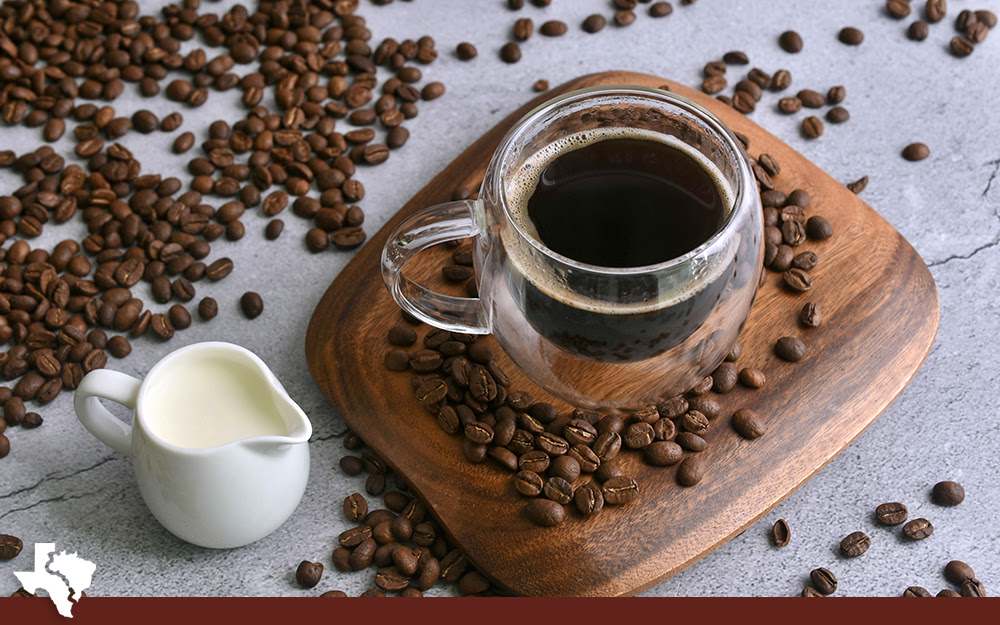
It’s a big deal for us. We start our day with coffee. We offer coffee to guests when they arrive – and it’s often considered rude not to accept. Coffee can be found straight and black, or it can be mixed with everything from a creamer to condensed milk to alcohol. There are a million different coffee drinks, so there’s something for everyone.
5: Rice and Beans are Staple Foods
While Feijoada is our national dish, you could say that rice and beans are even more popular and common. We’re not the world’s largest consumer of rice, but we’re up there.
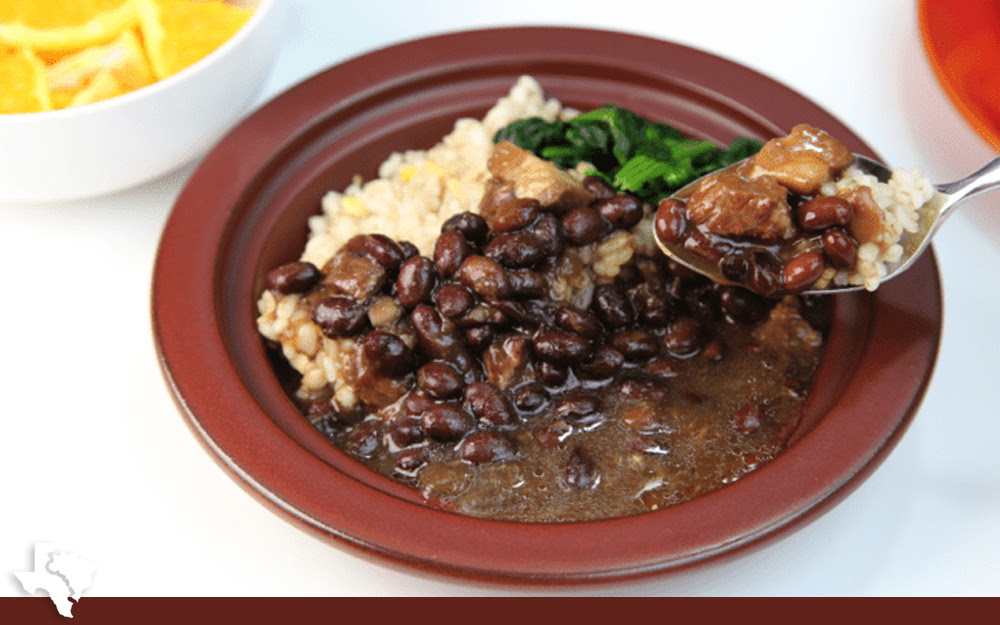
Rice and beans in some form are served alongside pretty much every meal, but especially lunch and dinner, where they can serve as extra carbohydrates and proteins, absorb other sauces and flavors from other foods or cleanse the palate in between dishes or courses. If such a thing as a national side dish existed, rice and beans would take the spot immediately.
6: Brazilians Don’t Much Care for Spicy Foods
Many people tend to think of all of Latin America and South America as one kind of homogenous Spanish-descended whole. While there has been a lot of intermingling of cultures over the millennia, the truth is that many regions have their own cuisines, and they can be very different.
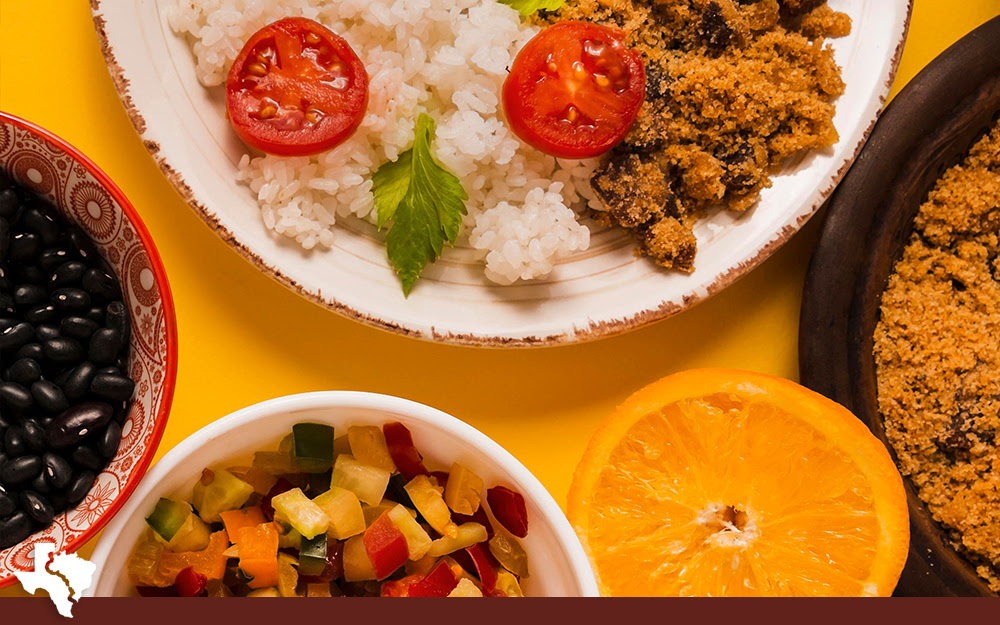
Brazilian food is actually almost never spicy. Most Brazilians don’t have much of a taste for spicy food, and it’s very far from the American or Latin American spice culture. When we use spicy ingredients, it’s usually one particular pepper native to Brazil, and it’s usually only common in certain stews, fish dishes, and as a hot sauce option rather than a staple of the meal.
7: Except for the Northeast
The caveat to the above is that it’s not true everywhere. Obviously, some people are more into spicy foods than others, and individual tastes can be prominent everywhere. In a modern globalized country, you certainly aren’t going to struggle to find a hot sauce if you want it.
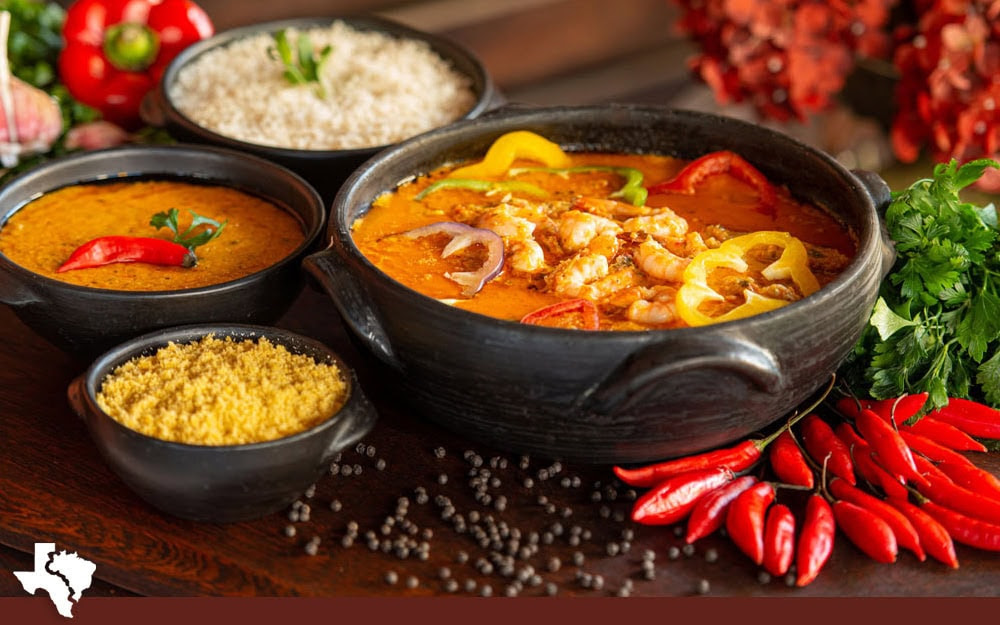
The exception is Bahia, the northeastern region of Brazil. This region is arid, and has a climate and culture fairly similar to northern Africa. That’s because it’s where a lot of the North African slaves brought over centuries ago ended up settling and where they brought their food culture with them. North Africa loves their spice, and Bahia loves it too. If you’re on the hunt for unique, spicy foods throughout South America, the Bahia region is the place to be.
8: Brigadeiros Were a Political Campaign Treat
One of the most beloved treats, found in birthday celebrations and holiday displays all across Brazil, is the Brigadeiro. These chocolate balls are made with condensed milk, giving them a chewy, almost fudge-like texture to round out the sweetness and chocolatey goodness.
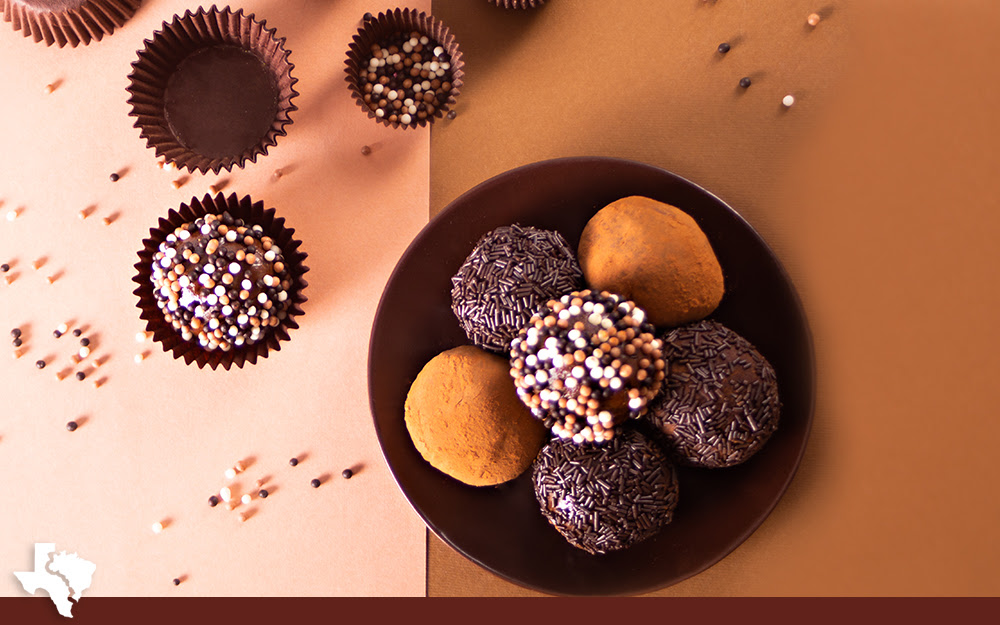
While it might seem like these treats have a long history, they’re actually a relatively modern invention and are less than 100 years old. They were invented as a campaign treat for the presidential run of the Air Force Brigadier Eduardo Gomes. They were a hit and are a popular treat all throughout Brazil to this day.
9: Lunch is the Biggest Meal of the Day
One thing that can be a bit of a culture shock to some Americans is that our meals are a little different. We have breakfasts to start the day, and they’re relatively light and short. You don’t need a lot to get up and moving, after all.
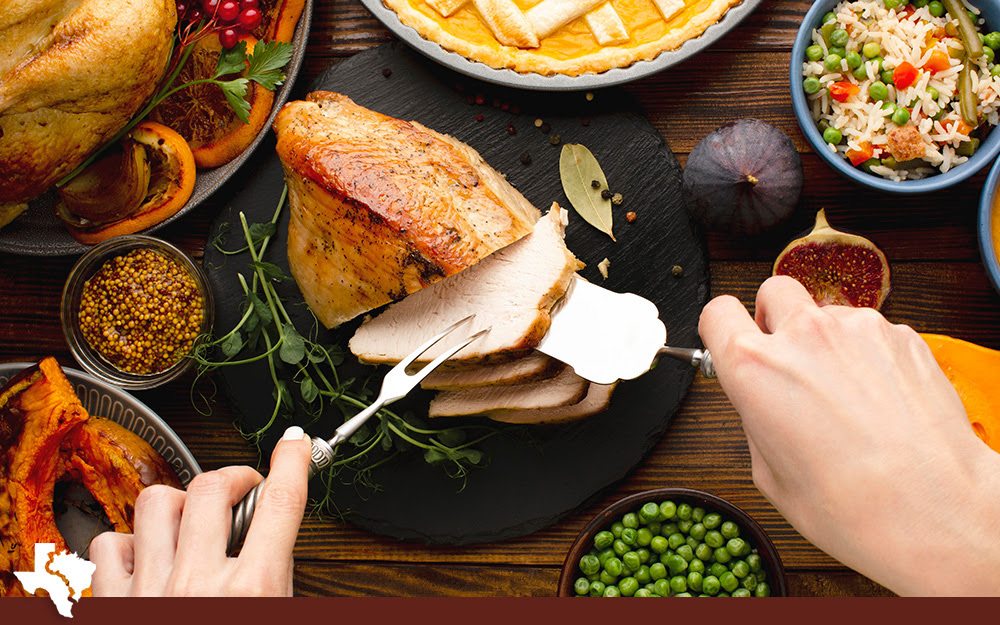
Lunch, though, is a whole thing. Lunch is at least an hour and typically starts around 2 p.m. in the afternoon. Just about everyone who gets the chance takes that time to enjoy the largest meal of the day and rest for a bit before going back to work. Dinner comes in later and tends to be smaller than lunch, which is about the opposite of the American lunch and dinner paradigm.
Which is better: a big lunch or a big dinner? We’re not here to cast judgment, so let us know which you prefer in the comments!
10: Cachaca Isn’t Rum
Now, let’s look at something completely different: alcohol! Brazil makes a unique alcohol out of the sugar we grow in the country, and we call it Cachaca. It’s the key ingredient in many different Brazilian cocktails, including our iconic Caipirinha, but there’s a certain point of contention surrounding it.

Many different countries have come up with the idea of making alcohol out of sugar, and almost all of them earned the name Rum. Cachaca is, in that sense, a kind of rum. But we’re very proud of our Cachaca, so we’ve actually lobbied to prevent it from being called “Brazilian rum” to keep it unique to our country. Any rum you find labeled “Brazilian rum,” you can guarantee wasn’t made in Brazil; only our cachaca counts.
11: It’s Considered Rude to Handle Food Directly
Now, here’s a bit of an etiquette lesson in case you ever visit Brazil yourself. Here in Brazil, it’s considered somewhat rude to handle food with your hands directly. We don’t really have “finger foods” the way other cultures do, and we definitely don’t just use our hands to serve or eat. We use utensils whenever they’re appropriate.
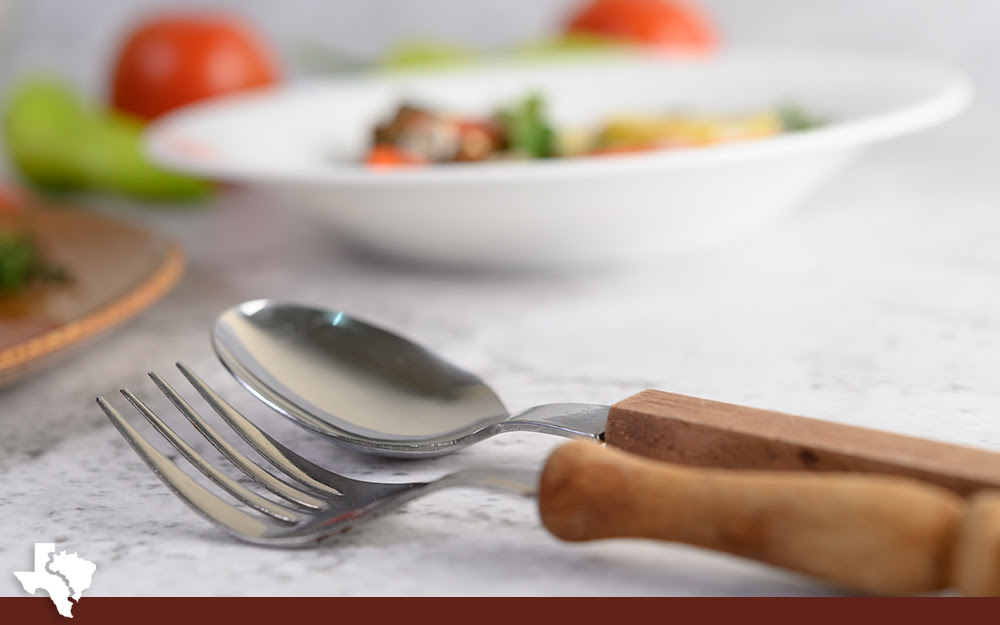
Even foods that you don’t normally need a utensil for, like a pastel or empanada, or just fresh fruit, we still hold in napkins or other containers to eat. We even have wax paper “napkin” dispensers at restaurants to use to pick up food to eat. Even things like pizza or fries aren’t touched directly!
12: Street Food is an Institution
The street food culture in Brazil is excellent. From the quick snacks you grab on your breaks at work to upscale versions of classic street food, some of the best and most delicious treats are street foods. People come to Brazil just to take street food tours!
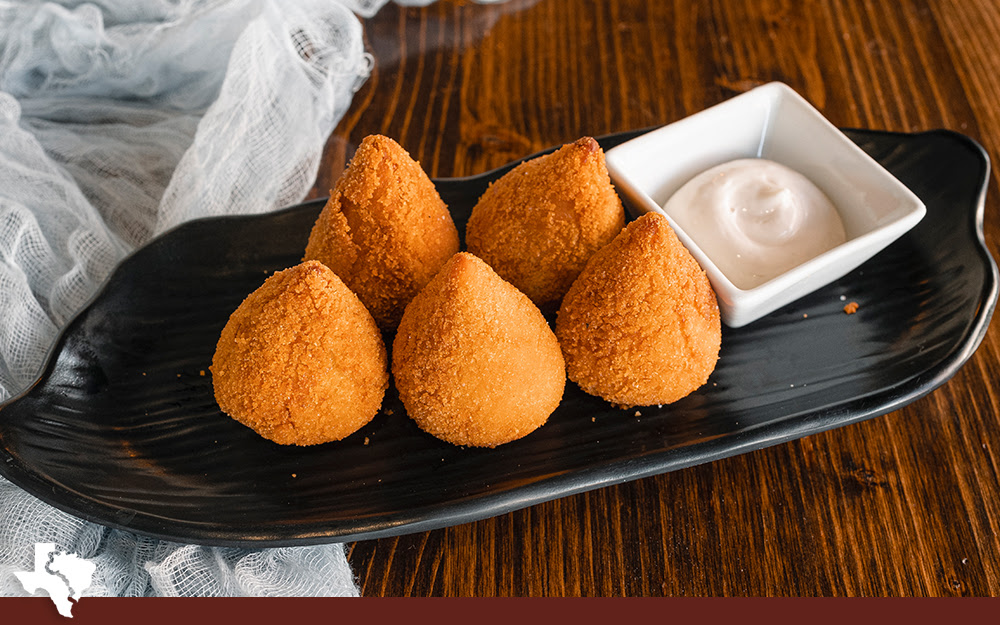
One of the best things about street food in Brazil is that you can find a little bit of everything. Fish, bread, sweets, meats; anything you could possibly want can be found, often in stalls adjacent to one another. More than just the food, often you get a bit of a show as you watch the people who have spent decades of their lives making the same thing millions of times practice their art.
13: Brazilian Foods Culture Integrates Numerous
Brazil is as much of a melting pot as America, if not more so.
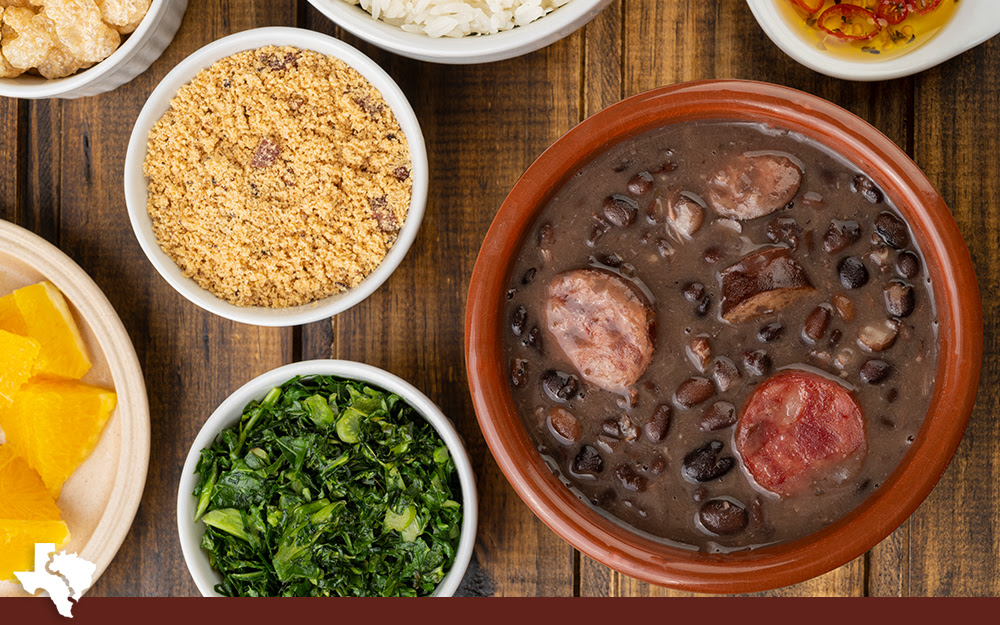
Brazilian food, across different regions and states, contains influences from all around the world:
- African, especially North African, which was brought over with slaves.
- Japanese, which is one of our largest cultural imports; Brazil has the world’s largest Japanese population outside of Japan!
- Native peoples, many of whom still live in the Amazon with millennia-old cultures of their own.
- Arabic influences from more recent waves of immigration.
- Portuguese, of course, from the primary European settlers.
- Italian, whose import of pasta has taken the country by storm.
- German, which is why stroganoff isn’t an uncommon dish on family menus.
Pretty much anything you could want can be found somewhere in the roots of Brazilian cuisine.
14: Food in Brazil Varies by Region
Brazil is huge, with 26 states dividing it up.
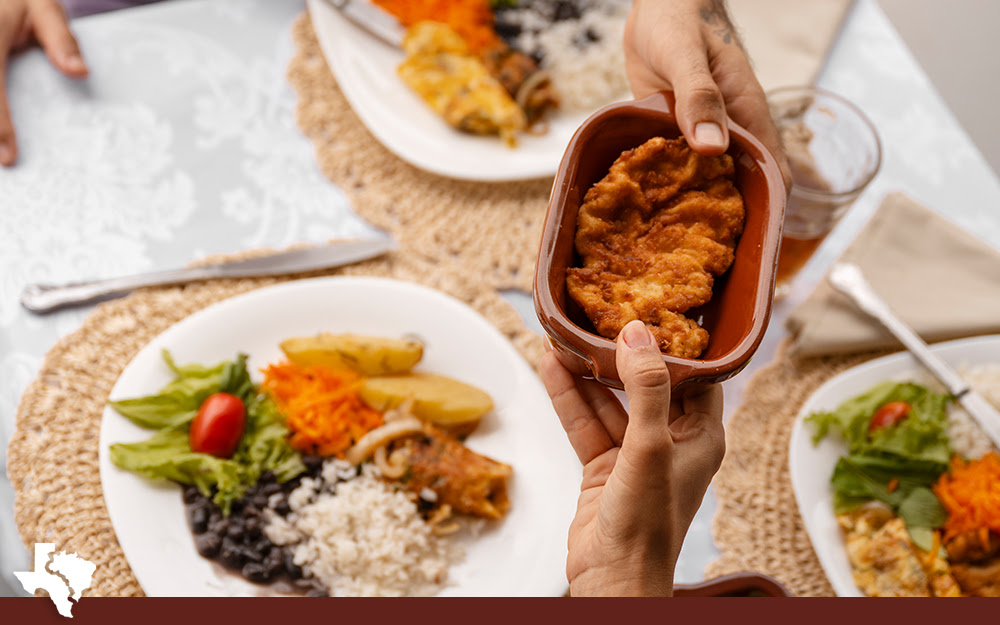
Each of those states has its own food culture and influences, and the regional variances add to the possibilities. It’s truly endless.
15: Brazilian Barbecue is All About the Meat
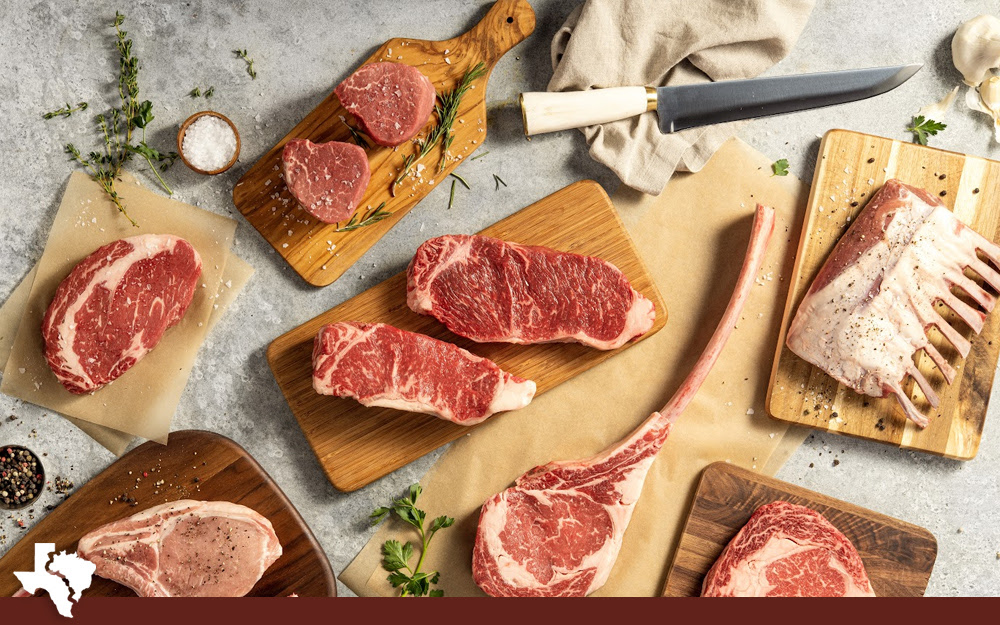
One of the best things about a Brazilian menu, especially if you’re heading towards the south of Brazil, is the churrasco. Churrasco, the Brazilian barbecue, is obviously our favorite kind of cuisine. That’s why we made a whole restaurant and brought it to America!
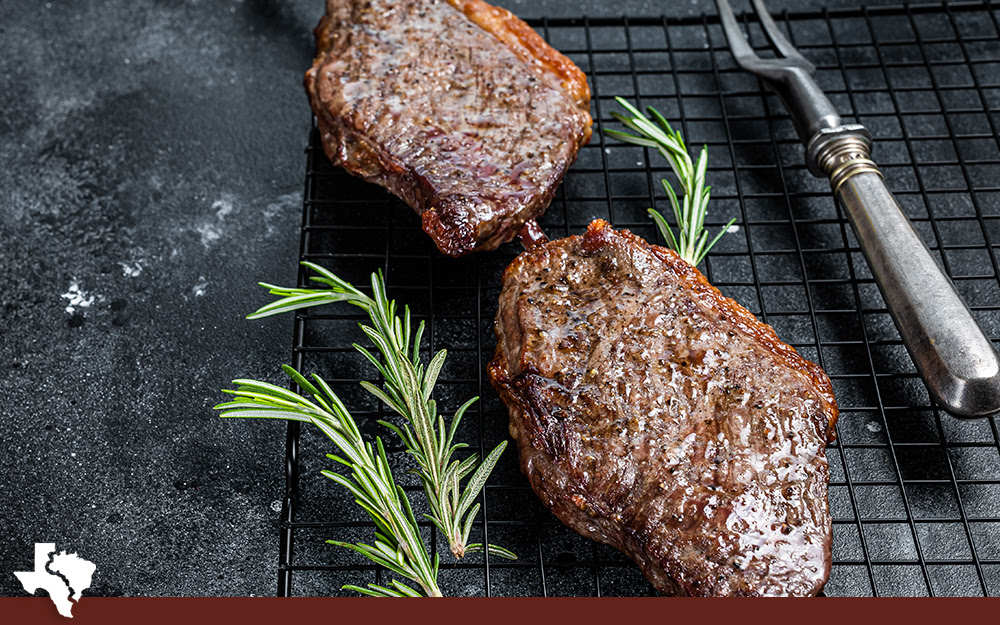
Churrasco in Brazil is very different from American BBQ. It’s all about the meat! Different cuts have their own distinct flavors and textures, and the way we cook them on skewers over an open flame, free from sauces and rubs, helps that meat shine. Want to try it for yourself? Come to your nearest Texas de Brazil and give it a go! We’d love to have you.