 Your Privacy Choices
 California Privacy Notice


What Makes Brazilian Beef Taste Different Than Normal Beef?
If you’ve ever been to a Brazilian steakhouse, you’ve definitely tried some very, very good beef. The cuts we offer at Texas de Brazil stand out from the usual fare you’ll find in the grocery store, the butcher shop, or even other restaurants. There’s no hiding it; it’s just great beef.
But why? What makes the beef served at a Brazilian steakhouse so much better than the beef you get elsewhere? There are actually several reasons, all of which might not make a huge difference on their own, but all of which come together to build up into something truly special.
If you want to taste the difference for yourself, just find your nearest Texas de Brazil location and stop on in. We’d love to show you what makes Brazilian beef special.
Table of Contents
Reason #1: Store Preservation Methods
There are a handful of different ways that beef can be stored and preserved, either for the short term or the long term. Freezing is a big one, and of course, freezing anything will affect the texture and flavor. That’s why some restaurants promote “fresh, never frozen” for their beef.
Of course, if you aren’t freezing the beef, you need to preserve it in some other way. Near-freezing refrigeration is one option. Some use a vacuum-sealing method and replace the atmosphere with CO2 to inhibit bacterial growth.
There’s also some element of aging involved. This can’t really be helped; unless your restaurant or grocery store has a cattle barn out back to get you the absolute freshest cuts, there’s going to be some delay in shipping between where the cattle are raised and slaughtered, and where the cuts are processed and sold.

Dry aging and wet aging are the two options. Dry aging stores the meat without any form of protection, allowing air to preserve the outer bits of the cut, and can be done for anywhere from just a couple of days up to nearly four months.
Deeply dry-aged beef has a very unique and distinctive flavor, though of course, the dried outer layer is removed before the beef is sold. Most of the beef you get at a store is not going to be dry-aged for very long, if at all.
Instead, most commercial beef is wet-aged. This involves vacuum-sealing and packing up the beef such that it doesn’t dry out. It’s more cost-efficient, more space-efficient, and more time-efficient to handle wet-aged beef, which is why the vast majority of beef you get at a market or store is wet-aged.
Brazilian beef tends to be wet-aged when handling it, though dry-aged beef is growing in popularity throughout Brazil and might make its way stateside more frequently in the future.
The Brazilian beef you get at a good Brazilian steakhouse is going to be as fresh as possible for the most robust beef flavors, though the exact specifics can vary by geography.
Reason #2: The Cut of the Beef
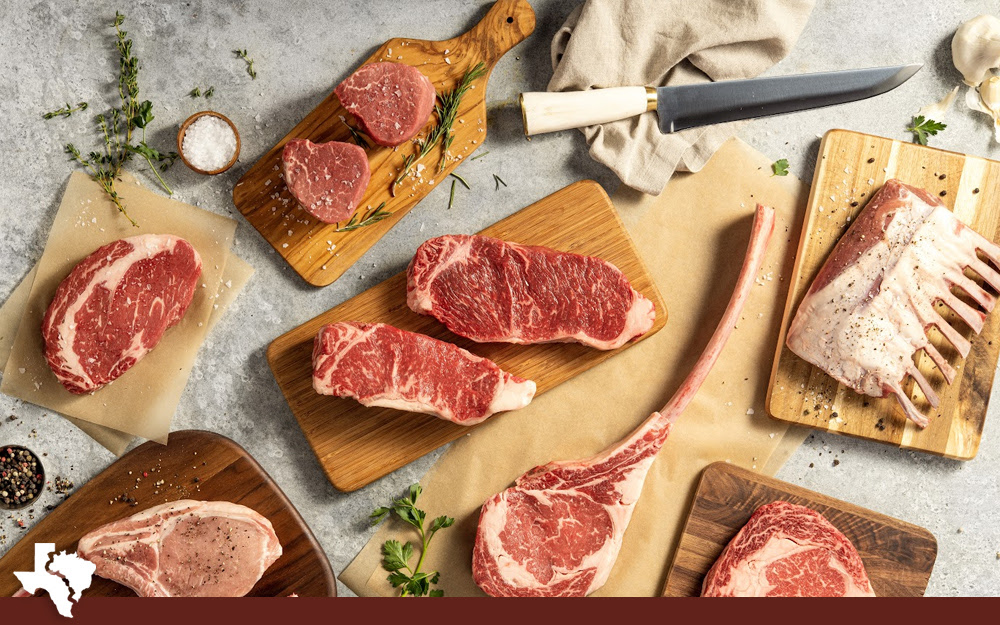
While a cow is a cow is a cow, the way a cow is cut and processed for market can vary. Brazilian beef is often cut in a few special ways.
While you can obviously find classic cuts like the filet mignon or the flank steak, the star of the show with Brazilian beef is picanha.
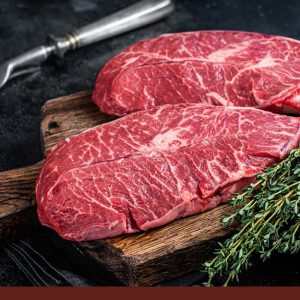
Picanha is Brazil’s favorite cut of beef, and for many steak connoisseurs, it’s called the queen of beef. Picanha is also known as the sirloin cap, and it’s not a cut you’ll often find in American markets. It’s not entirely clear why that is, but the answer might lie in the decades-long campaign to villainize fat, even though fat is a critical nutrient we need to live.

The key to picanha is that it’s a two-part combination. One part is the meat itself, which is marbled but still relatively lean, so the cooking helps render some of that fat and tenderize the meat without making it fall off the skewer.
The other part is the fat cap itself, which is a thick layer of fat that you’re not necessarily even expected to eat. That fat cap, when the cut is cooked, renders down and saturates the leaner beef below it with delicious fattiness.
Fat is flavor. Leaner beef is often more reliant on spice rubs and sauces to carry it, and it can be tougher and less tender. Picanha augments the leaner beefiness with the richer fattiness in a way that is unique in a cut alone. To replicate the same experience with another cut, you need to add fat, which adds other flavors like butter to the mix. There’s nothing wrong with that, but it’s more of a standard experience for American restaurant-goers, and it’s a way that Brazilian beef stands out.
Reason #3: The Cooking Method
Another of the big reasons why Brazilian beef tastes better than other kinds of beef is how we cook it.
The churrasco method is a method of cooking beef that has been perfected over the course of centuries, from the gauchos on the open plains of southern Brazil all the way to the grills we set up in our restaurants.
It’s a very simple cooking method, but that simplicity reveals how important every individual element of the method is.
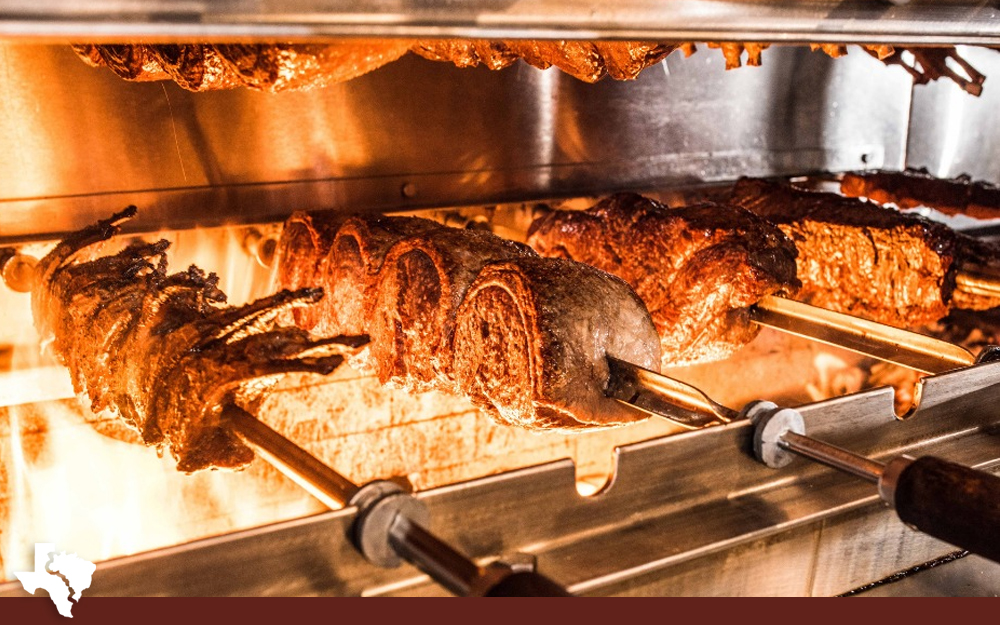
Churrasco is a way of cooking beef over a high-heat open flame, where temperature is adjusted by physically moving the meat, not adjusting the source of heat. The source of fuel is, as often as not, clean-burning natural charcoal that doesn’t force excessive smoky flavors into the meat, and instead lets the meat speak for itself.
The meat is also skewered and held over the fire, and rotates occasionally to make sure it cooks evenly from all different directions. This is distinct from other cooking methods in two ways. For one thing, it’s not a constant slow rotation the way a rotisserie is. More importantly, though, it doesn’t have contact with a hot surface.
That means you don’t get a half-charred crust on the outside of the meat the way you do when you fry it in a pan in oil or clarified butter.
The other benefit of this cooking method is that it keeps the meat nice and juicy. Cooking methods that cook lower and slower can leave meat very tender for a bit, but are easy to overdo and can leave it dried out later.
Reason #4: The Spices
Or, rather, the lack of spices. While we offer some spiced and spicy options on our menu, like the spicy picanha, the standard kind of Brazilian beef is cooked with one thing and one thing only: salt. A very coarse salt, almost rock salt, that coats the outside of the beef.
This salt helps pull moisture out of the beef to concentrate the beefy flavors. In the process of cooking, the moisture is then reabsorbed, pulling the salt back in with it. Excess salt is scraped off, so you aren’t biting into nothing but a salt crust, as well.
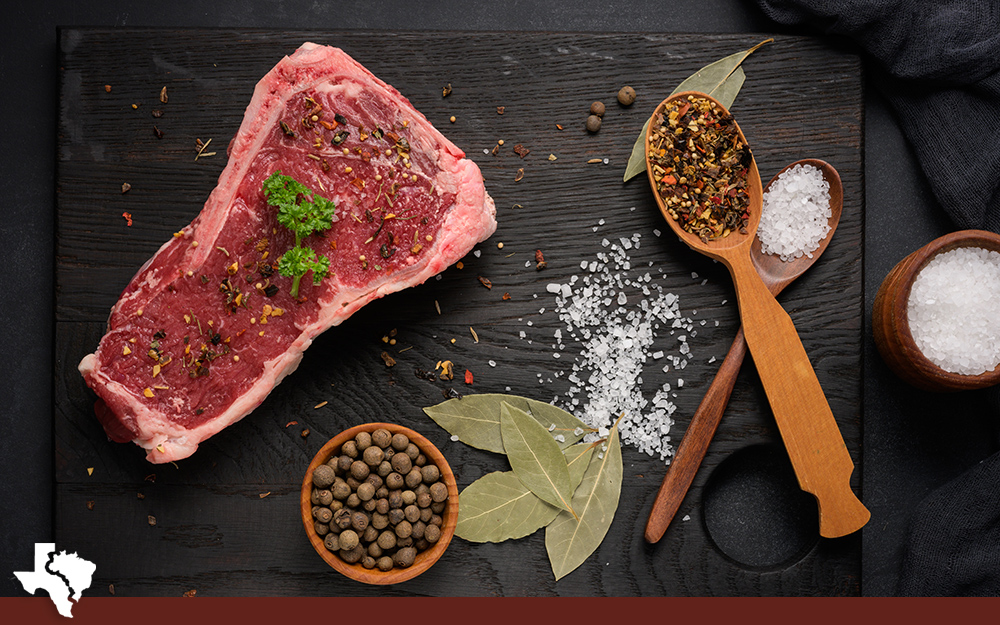
The natural flavors of the meat come through wonderfully here, and you can really experience how different cuts can affect the taste and texture of the meat. It’s an experience you can’t get anywhere else, not really.
If you want additional flavors, that’s what sauces like chimichurri are for.
Reason #5: The Breed of Cattle
There’s one significant element that we’ve overlooked until now, but it’s definitely one of the most important differences between Brazilian beef and other beef. The breed of cow!
American beef cattle range across a handful of different species of cattle. The most well-known is the Angus, but there are others like Herefords, Charolais, Simmentals, and more. A lot of these are hybrids of each other, so they all tend to have a lot of similarities.
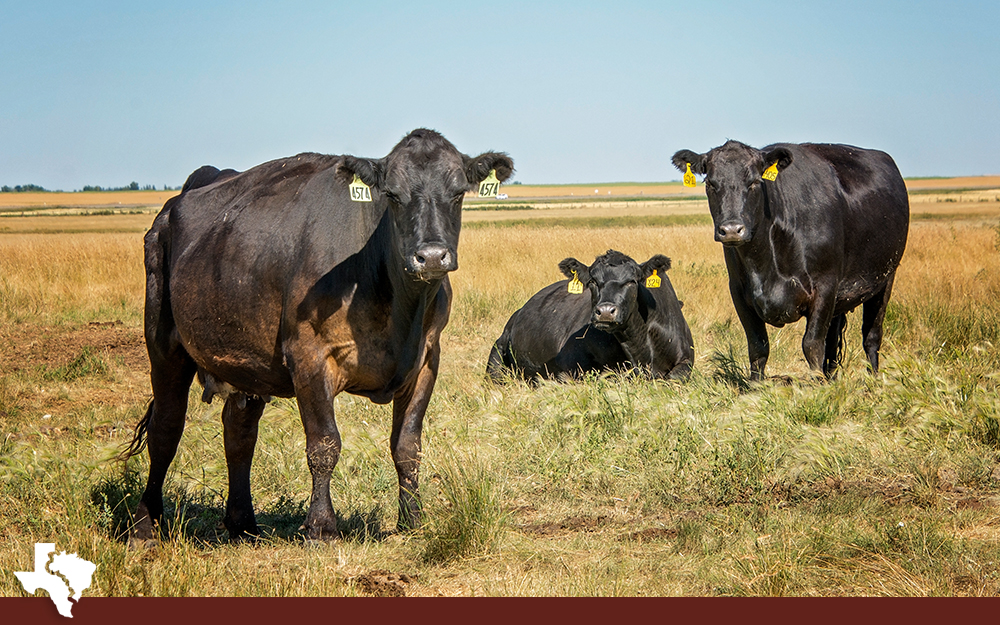
In contrast, the majority of Brazilian beef is quite literally on the opposite end of the spectrum, from A to Z: the Zebu.
Zebu actually originated in South Asia, but were carried over in the waves of immigration in South America and took up dominance as the most common cattle species in Brazil and the surrounding countries. As a humped cattle breed, they’re well-adapted to high temperatures and work well in tropical environments.
The differences here range from genetic lineage to climate adaptation to muscle distribution to the varying levels of individual kinds of protein in the meat. There are far too many differences to list, but suffice to say that it’s all meaningful in totality.
Reason #6: The Cow’s Diet
If you ask anyone familiar with cattle what makes the difference in the meat down the line, they’ll tell you one common adage: “Breed and feed.”
Well, breed we covered in #5. Now let’s talk about feed!
Generally speaking, there are two kinds of cattle raised for meat these days. One is grass-fed, and the other is grain-fed. You might also see these referred to as grass finished and grain finished, because it’s not necessarily about what they eat throughout their life, but more about what they eat in the months leading up to their slaughter and processing.
Grain isn’t as nutritious for cows as grass, but it’s much more readily available, cheaper, and easier to feed. Grain tends to lead to cows that have lighter red muscles with a lot more fat and marbling. The resulting meat tends to be more tender and fattier, but surprisingly less rich in flavor.
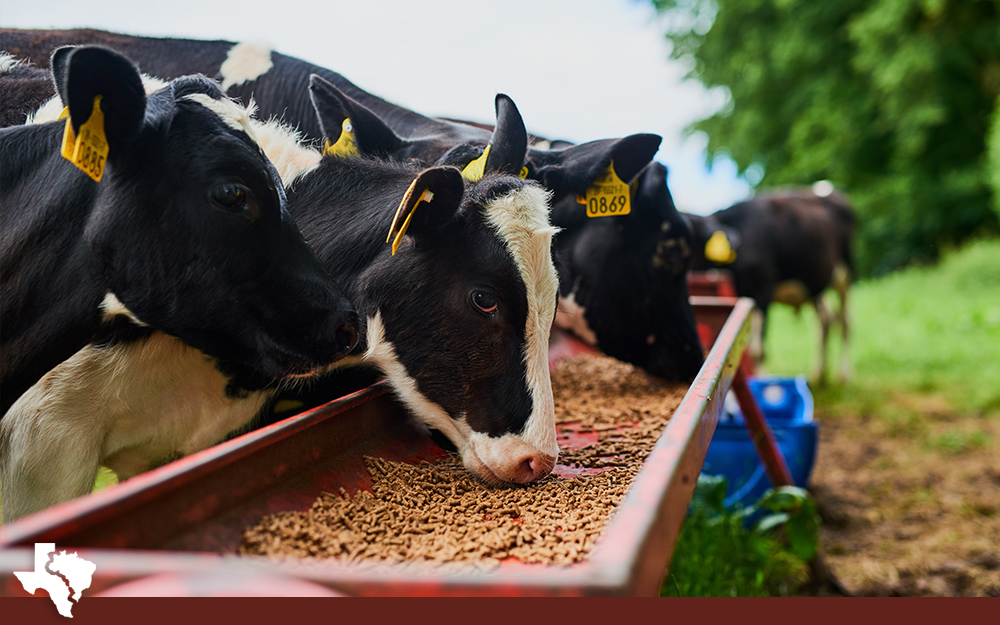
Grass-fed beef, in contrast, has a much stronger beefiness to the flavor profile. Because the cattle is leaner throughout its life, it has more muscle development and less fat to carry around. This concentrates more flavor in the meat itself and relies less on the fat.
Incidentally, this is also why you generally see grass-fed beef as a premium product in grocery stores. The stronger and richer flavors, coupled with the greater costs in raising grass-fed cows, make it more of a luxury version of beef.
Grass-fed beef used to be the norm many decades ago. Then, as industrialization caught up to the meat industry, factory farming methods were developed that opted for the cheapest feed available, combined with smaller spaces, more cows in those spaces, and less exercise. All of this led to greater availability of a worse product.
In Brazil, the same sort of process didn’t occur. With large plains available, cattle ranching was always about pasture management and not factory farming methods, so grass-fed beef is the standard. It also helps that we’ve stuck more to the culinary traditions and less to forced modernization at the expense of quality.
Reason #7: The Age of the Cow
One final element that may or may not be relevant depending on your location is the age of the cow before it is slaughtered for meat.
In America, a lot of beef actually comes from retired dairy cattle, which can be many years old. Older cows can have slightly less tender and less flavorful meat in general than younger cows. This isn’t unique to cows, of course. Lamb and mutton are the same animal at different ages, and lamb is more flavorful and tender, so it’s more prized.
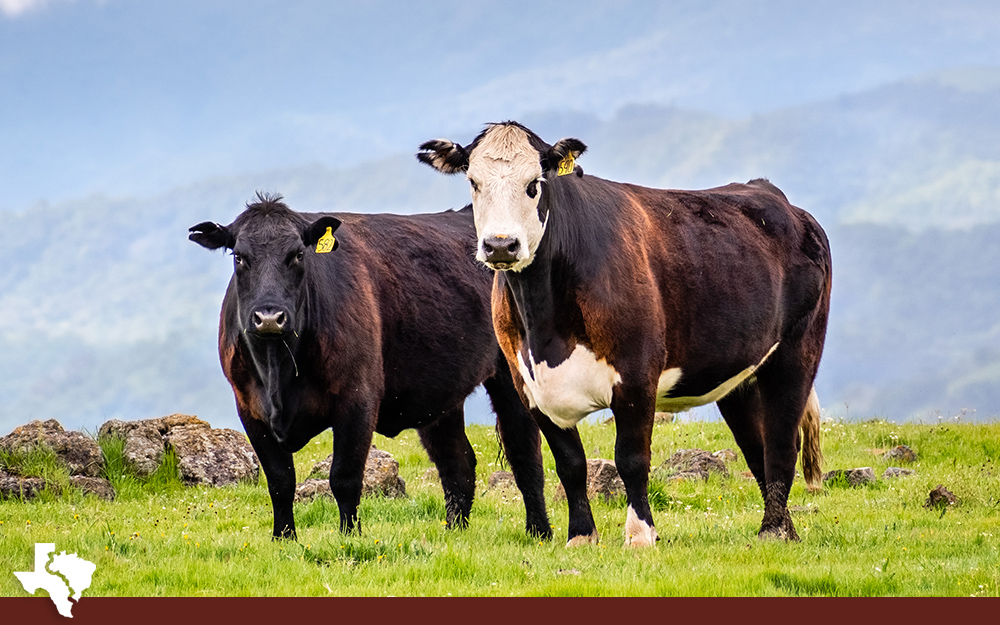
Meanwhile, Brazilian meat cattle are raised to be meat cattle and slaughtered after just a couple of years, when the meat is still tender and flavorful.
This isn’t always the case, though, so we put it at the end as one of the less impactful reasons. It might be true, or it might not, and it might vary depending on location and what kinds of cattle farms your local restaurants use.
Experience the Wonder of Brazilian Beef
If you’re convinced of the differences between Brazilian beef and the beef you get at your local stores, why not experience it in person?
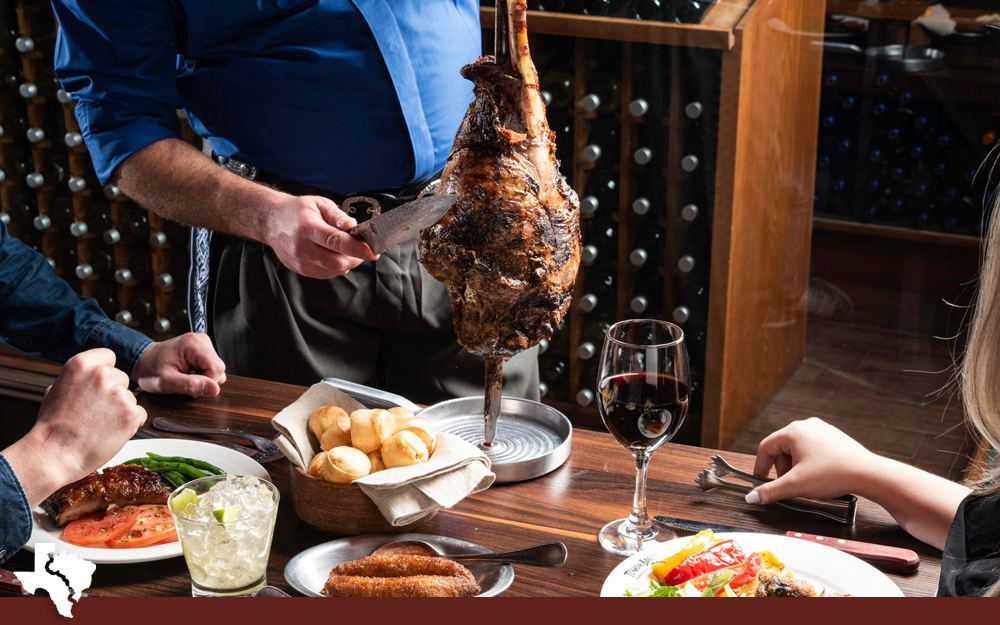
Find your nearest Texas de Brazil and stop on in, or make a reservation right here on our website. Don’t forget, you can also join our eClub to get regular offers, a special discount for joining, birthday offers, and more!