 Your Privacy Choices
 California Privacy Notice


What to Order at a Steakhouse on a Low-Sodium Diet?
At Texas de Brazil, we see diners on just about every diet you can imagine. From low FODMAP to carnivore to even vegan, anyone can find something suitable for their needs on our menu.
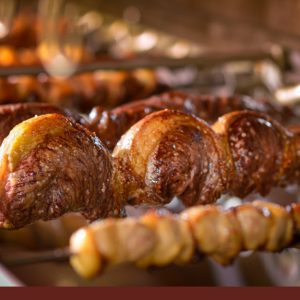
If you’re at all familiar with churrasco, the Brazilian method of barbecue, you may have heard it described as salt-crusted meat. That, combined with the general reality that nearly every restaurant is going to be generally high in sodium, can make you wonder: Is it safe to eat at a place like Texas de Brazil when you’re following a low-sodium diet?
We’re happy to say that the answer is yes: you can enjoy a full meal of low-sodium options at our restaurants. Read on to learn what you can enjoy uninhibited, what you might want to keep to low amounts, and what you should probably avoid.
Table of Contents
Sodium: Not Just Salt
Before getting into specific menu items and the related discussion, it’s worth talking about sodium in general.
For most people who are told they need to watch their sodium, the #1 go-to tip is to cut back on salt. Whether it’s the salt shaker on hand to add a dusting to any meal, or staying away from the salty chips and snacks, cutting out obvious salt is the easiest way to cut back on sodium.
There’s more to sodium than just salt, though.
For example, many baked goods are higher in sodium than you might expect. While salt is an essential part of the chemistry of baking, many baked goods also include baking soda (or baking powder, which is a mixture of baking soda and cream of tartar). Baking soda, as you may remember, is sodium bicarbonate, a form of sodium.
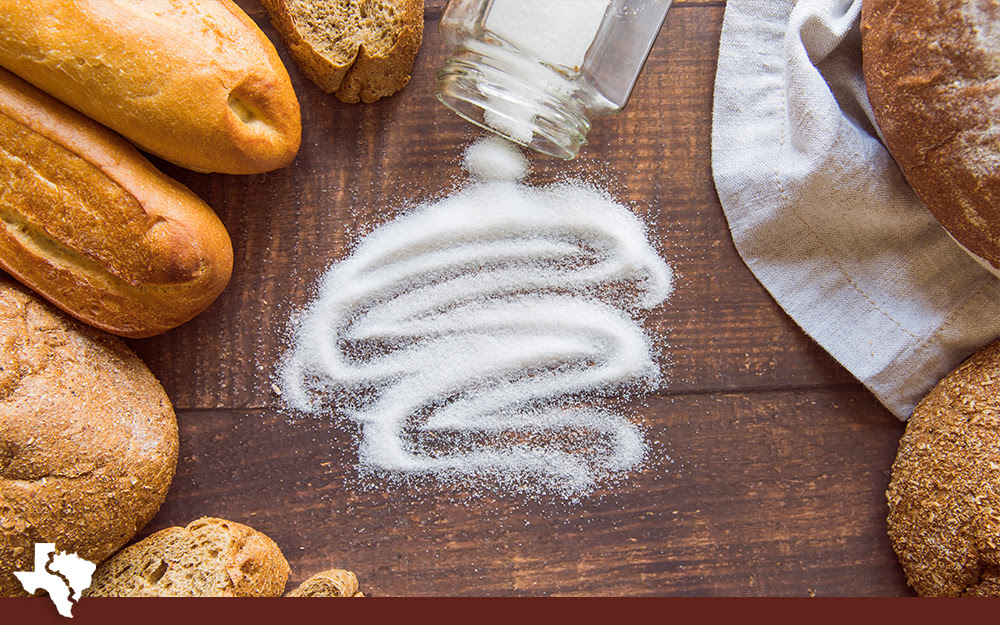
You might also find that a lot of foods that otherwise shouldn’t be high in sodium have a surprisingly high sodium content. One of the main culprits is actually a chemical preservative used to keep ingredients fresh. That preservative is often sodium benzoate. This form of sodium is a very useful ingredient for inhibiting the growth of bacteria, making canned goods and preserved foods much safer, but it does have the knock-on effect of increasing sodium content.
Some sodium is unavoidable. Since sodium is a natural element, it’s present in a lot of foods at a chemical level, and can’t be removed. It’s also essential to life. You need some amount of sodium for your body to function properly. So, it’s not a bad thing for some sodium to exist in your diet. The problem is really just excessive sodium.
Since sodium can hide under many different names in ingredient lists, a big part of watching sodium is looking at the overall sodium counts of the foods you eat.
Of course, if you’re on a low-sodium diet, chances are you know all of this already. Don’t worry; we’ll get to actionable tips shortly.
American vs. Brazilian Steakhouses
The premise of this post is talking about the things you can order at a steakhouse, but we didn’t specify a Brazilian steakhouse like Texas de Brazil. That’s because it’s worth talking about both the churrascaria and the American steakhouse.
To get the biggest question out of the way: yes, Brazilian meats are coated in salt before being grilled. However, the majority of that salt doesn’t make it to your plate. It’s there for cooking, but it’s scraped off before serving, because it’s a coarse salt and it’s unpleasant to eat. Some small amount of that salt dissolves while cooking and is absorbed back into the meat, but the majority of it doesn’t make it to you.
So, if you had to guess, is a Brazilian steakhouse going to be worse for sodium, or is an American steakhouse going to be higher?
Well, you can view the Texas de Brazil nutritional information here.
On our menu, the highest sodium items are:
- Spicy Sirloin, at 1,050 mg per serving.
- Cucumber Salad, at 1,090 mg per serving.
- Cream of Jalapeno Soup, at 1,170 mg per serving.
Those are the only three items on our menu with over 1,000 mg of sodium per serving.
Compare this to other popular steakhouse chains in America, which have menu items like:
- Wild West Shrimp, at 3,740 mg per serving.
- Brisket Nachos, at 4,070 mg per serving.
- Parmesan Crusted Chicken, at 3,160 mg per serving.
And that’s not getting into extremely high-sodium options. One restaurant offers cheese fries that come in at 7,490 mg of sodium per serving, a spinach dip at 6,680 mg per serving, and basic steaks clocking in at 2,000 mg or more.
When you consider that the optimal goal for a normal sodium diet is 1,500 mg per day, it’s easy to see how you can go way over the target.
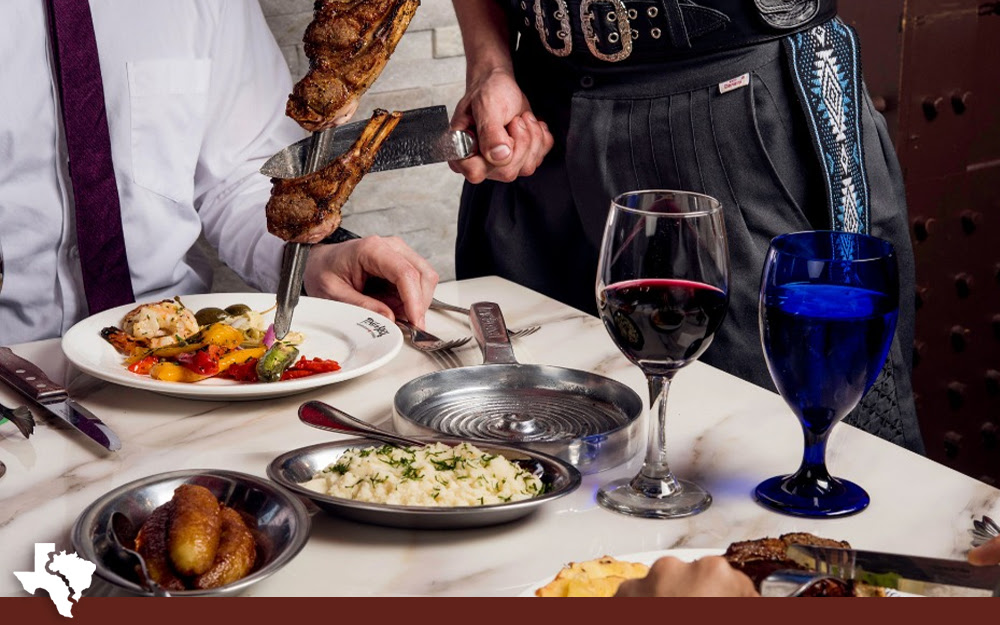
One thing to remember when making comparisons like this is that there’s a bit of apples-to-oranges going on. Obviously, a piece of flame-grilled meat is going to have less sodium in it than a plate full of salt-covered fries, right? But you also have to think about serving sizes.
Some of these steakhouses have steaks with 2,000 mg of sodium, but those steaks are also 20-oz. cuts of meat. Meanwhile, our individual pieces of meat tend to be smaller (because you’re encouraged to try a variety of different cuts, rather than order one to sate your hunger), so while each piece is much lower, they can add up if you eat a similar quantity of meat.
That said, there’s one key difference between something like the pieces of meat you get at Texas de Brazil and the cuts you order from a more traditional American steakhouse: butter. Butter is one of the main secrets to why restaurant food tastes better than making the same thing at home.
When you order a pan-seared steak at a steakhouse, it’s generally cooked with a salt crust and a lot of butter. While that’s delicious, undeniably, it also adheres that salt to the meat through the Maillard reaction, retaining most of the sodium from both the salt and the butter.
General Tips: What to Order and What to Avoid
When you’re going to a traditional American steakhouse and you want to stick to low-sodium options, what should you order, and what should you avoid?
We’re not going to give you specific menu items here, because there are so many different restaurants and different items across those menus that we’d be here all day. Instead, we’ll give you some general rules of thumb you can use to guide your choices.
If you’re planning ahead, you can look up the nutritional information for pretty much any restaurant somewhere online. Most chain restaurants list their information on their websites, though you might need to dig for it.
For example, here are the nutritional charts for Outback Steakhouse, Longhorn Steakhouse, and Texas Roadhouse. You can find similar charts for pretty much any chain. The only issue is if you’re visiting a local restaurant that might not publish or maintain that information, but you can always ask your server.
High Sodium Options to Avoid
Let’s start by talking about the menu items you pretty much always want to avoid. These are high enough in sodium that you’re going to blow past your goals just by having them on your plate.
Anything fried. Salt is usually a prime component in the batters used for frying, salt is often added on top, and any dipping sauce or topping is also going to have salt in it. French fries are one of the biggest offenders here, some of which can have nearly a week’s worth of sodium in them, per serving.
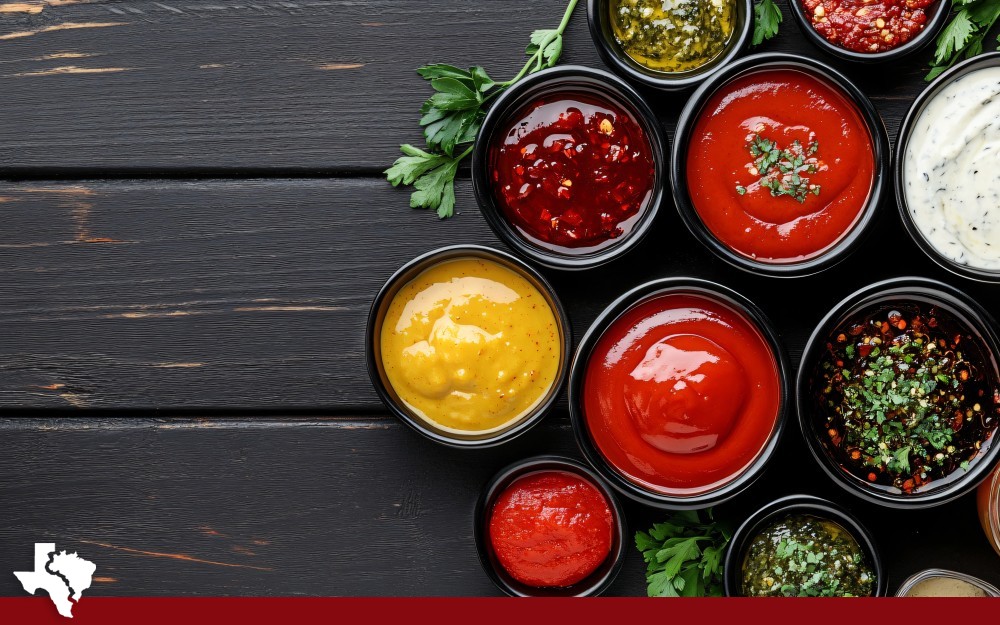
Most sauces. When you browse the nutritional menus for steakhouses, you’ll often find that wings of any sort are high on the sodium list, with a single serving often running at 1,500 mg or thereabouts. This is almost always due to the sauce on the wings. Even Brazilian sauces like chimichurri can be high in salt, though not as high as many American barbecue sauces.
Potato dishes. While potatoes naturally are zero-sodium foods, just about every way of preparing them involves a hefty amount of salt. Baked potatoes are, for example, usually coated in oil and salt before baking and topped with salty ingredients. We’ve already talked about fries. Potato skins and other dishes are also often very salty as well.
A tip for the steaks: for a traditional steakhouse, you can often ask your server if they can cook your steak with less or no salt. Many restaurants are accommodating to requests like this. You can also ask us at Texas de Brazil, though you may have to wait for new skewers to come around.
Martinis. Surprising no one, a drink where you’re meant to drink salt alongside it is going to have a lot of salt in it. Some other drinks might use a brine as an ingredient as well, but nothing is going to be quite as bad as a martini.
Low Sodium Options to Order
So, what should you aim for if you’re looking into a low-sodium meal at a steakhouse?
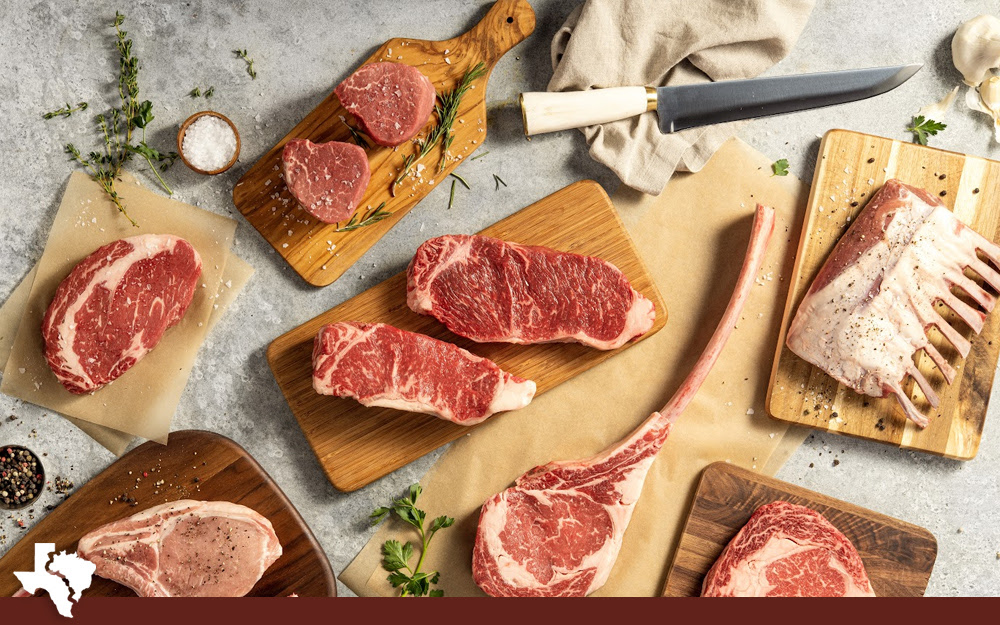
Small cuts of meat. The larger the steak you’re eating, the more sodium it will have. Smaller cuts will have less. You just have to not eat multiple servings, which is understandably difficult when it’s so delicious.
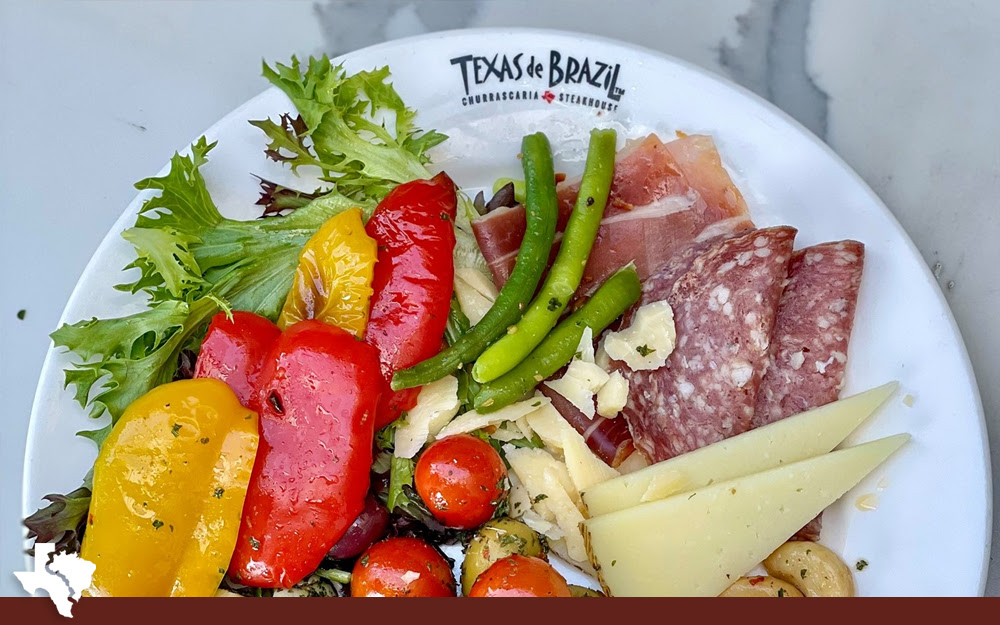
Salad sides. Side options for steakhouses often range from fries (which are very bad) to veggies (which can be bad if they’re canned) to fresh veggies and salads. The salads and fresh veg are often very low or even no sodium, though things like dressings can carry their own salt and make it less of a good pick.
Some soups. Some soups can be very bad for sodium, while others are quite good. To use our own menu as an example, our Cream of Jalapeno soup is 1,170 mg per serving, but our Moqueca de Peixe (fish stew) is only 60 mg per serving.
Low Sodium Picks at Texas de Brazil
If you’re skipping the traditional American steakhouse and visiting our fusion of American and Brazilian cuisine, you may be in for a bit of a surprise.
Some people find that the meats we serve are salty, but there’s something interesting going on here. Because of the way we cook our meats, the primary flavors of each cut are the salt, of course, and the meat itself. There’s no butter, no sauces, nothing like that to get in the way. This is why, despite our meats often tasting more in-your-face salty, they’re lower in sodium than comparable cuts from traditional American steakhouses.
What can you get for your meal at Texas de Brazil to keep within your sodium goals?
- Lamb. Our lamb options are very low in sodium compared to our beef and chicken options.
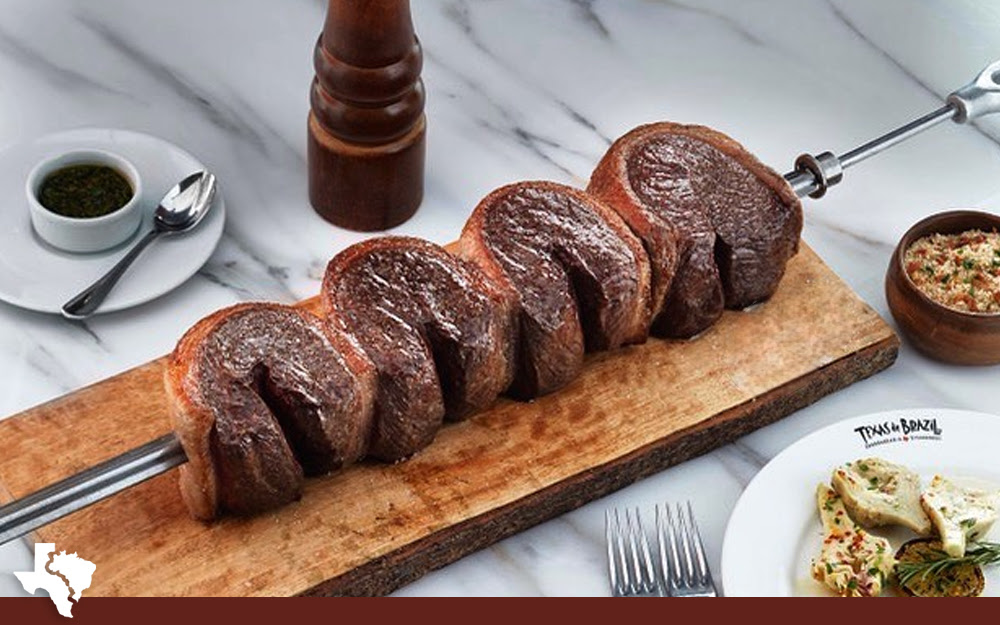
- Picanha. The Brazilian specialty cut, Picanha, is surprisingly one of the lowest sodium cuts of beef we offer, which is great because it’s also one of the big reasons people visit Brazilian steakhouses.
- Nearly anything from the salad area. Obviously, some items like salami or olives are going to be high in sodium if you have a lot of them, but when enjoyed in moderation, you can keep the sodium counts down.
- Fish stew. As we mentioned, our fish stew is just 60 mg of sodium per serving, and it’s hearty and filling.
- Pao de Queijo. The Brazilian cheese bread is another favorite and is only 90 mg per piece.
You can also enjoy some of our other hot area sides, like jasmine rice, potatoes au gratin, and sauteed mushrooms, as well as the Brazilian classic black bean feijoada, all of which are under 150 mg per serving.
Desserts are a little higher, but we have several options under 300 mg per serving, including the key lime pie, the papaya cream, the flan, and the crème brulee.
There’s certainly enough on our menu with low-sodium counts that you can enjoy a full, robust meal without going over your goals, though you may have to use moderation when enjoying the meat. Alternatively, the salad-only menu is both cheaper and easier to stay under those goals. The choice is yours, but either way, we’d love to see you at your nearest Texas de Brazil location.