 Your Privacy Choices
 California Privacy Notice


What is The Tipping Culture at Brazilian Restaurants?
In America, tipping is a matter of course, as a way to reward or punish servers for doing a good or bad job. Servers are generally paid a substandard wage and subsist largely on tips, meaning that a good server on a busy night can make bank, while a poor server on a slow night might not make enough to cover the gas money to get home.
While there are a lot of discussions to be had surrounding tipping, the exploitation of workers, the ethics of substandard payments, and the changes being made in the country to tipping and food service worker wages, we’re primarily looking at it in the context of two scenarios: Brazilian restaurant culture in Brazil itself, and our Brazilian steakhouses in various locations throughout the United States.
Table of Contents
Do Brazilians Tip? Is Tipping Expected in Brazil?
A relatively small minority of the people reading our posts are planning a visit to Brazil, or just want to learn about the origins of the various foods and cultural elements we’ve brought from Brazil to American audiences.
Brazilian tipping culture is very different from the American concept of tipping.
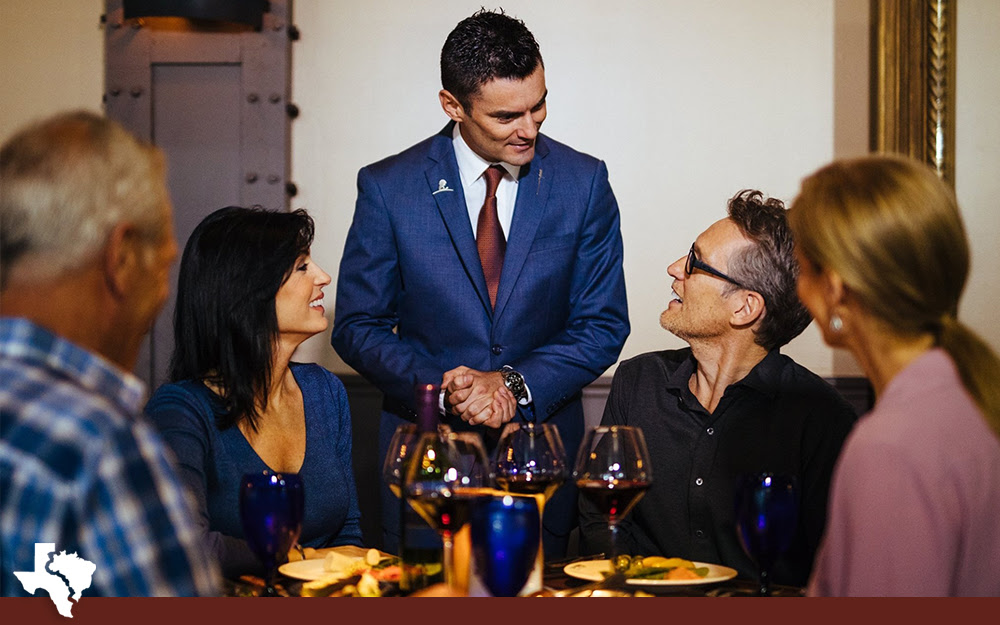
In America, tips are a reward for good service as much as they are an expected element of a bill. While some people feel like any tip at all is a reward, others place a baseline tip (often 15-20% of the bill) and increase it based on how good their service was.
In Brazil, it’s very different.
Low wages and service work
For one thing, waiters and servers in Brazil are generally paid the same sort of wage as any other service job. There’s no expectation of lower baseline wages used to exploit those workers the way there is in America.
That’s not to say they’re paid a good wage, of course. Service staff are often paid minimum wage in Brazil, and that minimum wage is not exactly a lot of money.
For reference, Brazil’s minimum wage, valid as of January 1, 2025, is 1,518 real per month. This is combined with the expectation of working around 44 hours per week, or 176 hours (give or take) per month, which works out to a minimum wage of 8.6 real per hour. At current exchange rates, that’s around $1.56 USD per hour. While that doesn’t sound like much, the cost of living in most places in Brazil isn’t as high as it is in America, so that money goes further.
For context, the USA’s federal minimum wage for tipped employees like restaurant waiters is $2.13 USD per hour. That’s not very much, and compared to the cost of living in Brazil, that money doesn’t go very far at all.
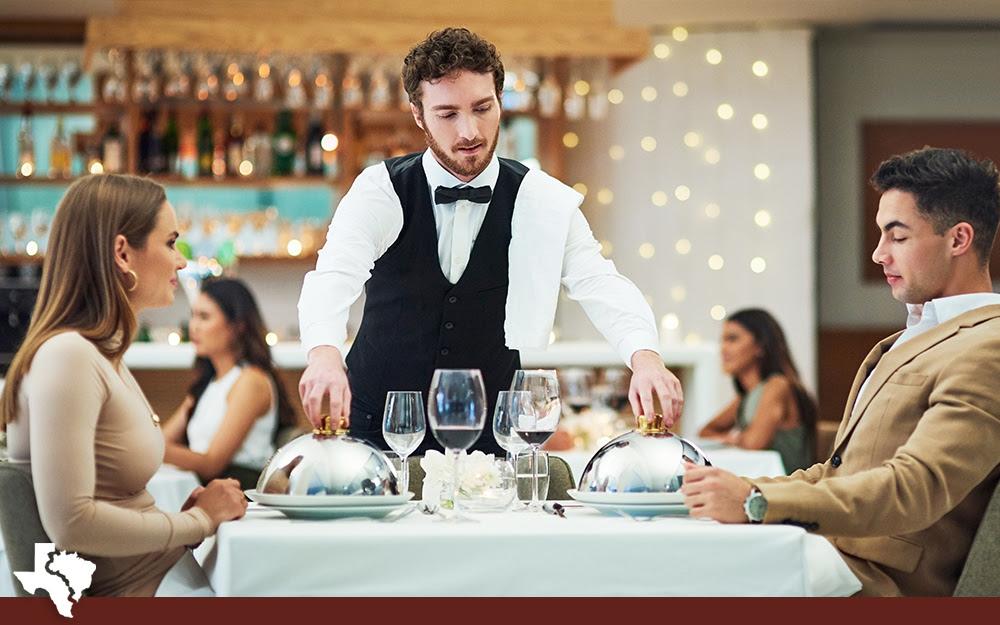
The second reason that Brazilian tipping culture is different is in how it’s handled. Gratuity is usually calculated directly into the bill. When you eat at a restaurant, the bill is calculated for you, and a final total is presented to you. You can pay it as-is, or ask for an itemized check to verify it all yourself, though often the itemized list is what is handed to you already.
Both sales tax and gratuity are already calculated into this bill. The gratuity is, generally speaking, a flat 10%. Your tip, then, is already built into the bill you pay. You’re not expected to add more to the tip, though you can if you want.
Should you tip extra in Brazil?
That’s a tricky question to answer. There are a lot of professions where tips are very welcome, especially areas like food delivery, manual labor like hotel workers carrying your bags for you, and tour guides.
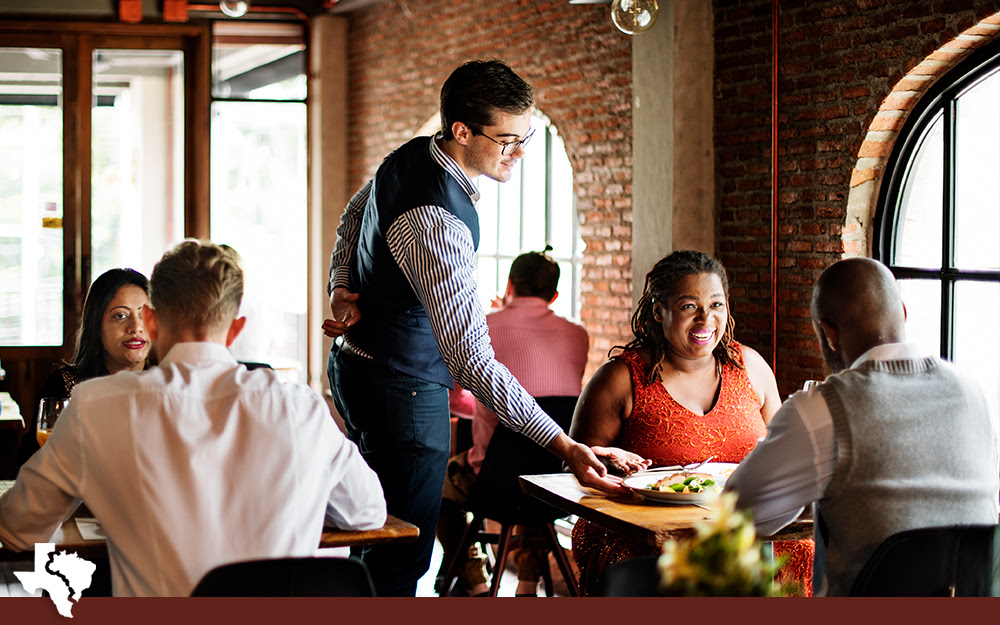
Brazil doesn’t have the expectation of tipping the way the USA does, though, and in some contexts, adding a tip can come across as snobbish or flaunting your wealth to the poor around you. A too-small tip can also come across as offensive or insulting.
Should you tip the waiter directly?
When the 10% is added directly to your bill, you can ask to have a new bill with the gratuity removed. If you’re simply doing this to remove the gratuity, it can be seen as rude, but there are also plenty of people who do so. After all, other low-paid service workers might not have the added funds to increase their bills by 10% everywhere they go.
Some people in Brazil will always recommend asking to remove the 10%, though, and for one reason: to leave cash on the table instead. While a restaurant is supposed to give tips to the workers, in practice, this is never certain, so people who want to make sure their server gets the money can leave the money on the table for them directly instead.
Again, this isn’t necessarily expected, but it’s something you can do to be extra nice to your servers.
Importing harmful culture
One last note to make here is that, to an extent, the idea of tipping culture is itself kind of harmful to countries and cultures that didn’t already have it.
It’s difficult to argue that America’s tipping culture is not exploitative. There are many people in Brazil who are watching tourists come to Brazil and bring their tipping culture with them, and the businesses around tourist hotspots increasing both the expectations of and value of tips, that take it as a dangerous precedent.

As we’ve already mentioned, many workers in Brazil are already being paid fairly low wages. The expectation of higher tips, especially in already high-cost-of-living areas, makes it even harder for locals to enjoy their own restaurants.
There’s an argument to be made – and a significant number of Brazilian citizens making it – that importing more tipping culture and normalization from America via tourists is going to increase wealth inequality throughout Brazil.
So, that’s one more thing to keep in mind: tipping appropriately when necessary and avoiding excess tipping as a tourist could be more beneficial than the “generosity” of better tips.
Tipping at a Brazilian Steakhouse
It’s one thing to think about tipping if you’re going to Brazil, but most of you reading this probably aren’t planning that trip any time soon. So, let’s talk about tipping here in America, specifically when you visit your nearest Texas de Brazil location.
First up, the simple question: Is tipping expected or required when you visit your local Texas de Brazil?
The answer here is yes, at least for locations in the United States. The culture and expectations may be different if you’re visiting other regions, like the locations we have in Saudi Arabia, South Korea, or Panama.

Tipping is a reflection of the local culture and location of the restaurant, not of the society where the restaurant originates, at least in most cases. That said, there is a growing movement of restaurants in the USA that discourage tipping and pay their servers a full non-tipped wage instead. These are the rarity, the exception to the rule, for now.
At Texas de Brazil, we operate primarily using American cultural norms, but we have bucked the trend somewhat. While the tipped minimum wage is just over $2 per hour, we generally pay our gauchos at minimum the federal non-tipped minimum wage, if not the state minimums, and that’s for introductory roles. Those tending the grills, washing the dishes, and doing other tasks are often higher, as well. Exact payment information can also vary by location.
We do still anticipate that our workers receive tips for their service. The gauchos certainly appreciate it, of course. We also don’t keep those tips from our service staff.
How is tipping handled with rodizio dining?
The unique rodizio-style continuous dining experience found in Texas de Brazil does offer one challenge to diners when it comes to tips.
In the traditional American restaurant experience, you and your party are seated at a table or in a booth, and a server will be “your” server for the evening. This one individual handles taking your orders, bringing you food, serving you drinks, and caring for you throughout your experience.
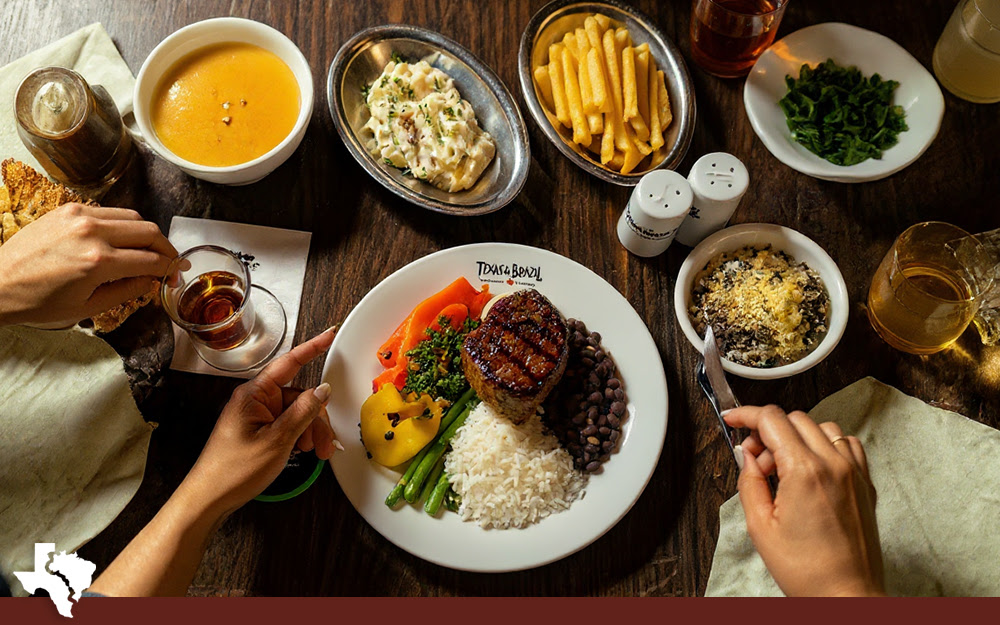
At Texas de Brazil, the rodizio-style dining experience means you don’t have one specific server. Gauchos come through the entire dining room, offering up their skewers of meat, while an area server can handle things like drinks, desserts, and bills. Bartenders may also be involved.
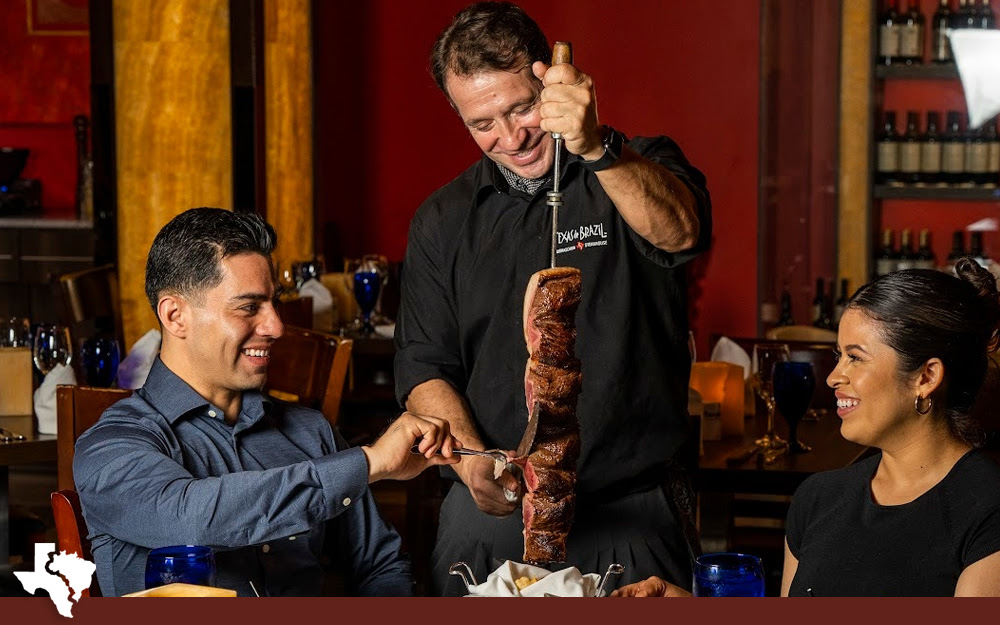
Instead of judging and tipping the performance of one person, you have an entire team working to make your dining experience incredible. That poses a challenge. If one gaucho seems brusque and rude, decreasing your tip harms everyone who serves you.
Generally speaking, tips are pooled and divided among the staff at the end of the night because of how work is divided. It’s not entirely even: gauchos and servers get the lion’s share, while bartenders often get a little less (but have a higher base pay to compensate). Again, though, this can all vary.
The key point is that your tip isn’t just a reward or punishment cast on one server; it’s a gratuity to an entire team. Note, though, that this can also vary by location. Some locations do more of an individualized tip division.
How much should you tip at Texas de Brazil?
In Brazil itself, a gratuity of 10% is the average, expected amount of tip for cases where a tip is expected. What about here in America?
We don’t add the gratuity directly to your bill like restaurants in Brazil do; instead, we leave it up to you to calculate and decide how much to tip.
The norm in modern America is a tip that starts at around 18-20%. Our checks will often have suggested gratuity amounts printed on them, usually for 18%, 20%, and 25%, so you can choose one to add if you want the math done for you; alternatively, you can calculate however much you want to add to your bill to tip your gauchos.
One benefit of this is that tipping is a bit easier, especially if you’re dividing a bill across people at your table. Since the dinner rate is the same for everyone, the only variability is if someone gets the salad-only menu, or if someone is ordering drinks or desserts.
If you enjoyed your experience at Texas de Brazil, you’re content with the food and the service, and you want to encourage more of the same, a tip of around 18-20% of the total bill is perfectly acceptable. No one will feel insulted or discouraged with that level of gratuity.
If you’ve felt like your experience was exceptional, you’re freely encouraged to tip more if you prefer. Maybe our bartender helped you find the perfect wine to pair with your meal, or taught you the ins and outs of Brazil’s favorite cocktail, the caipirinha. Maybe a gaucho was very kind and helped you experience everything the grills have to offer. Maybe you have tricky dietary issues, and our servers helped you navigate an unfamiliar menu. There are many reasons why you might feel like we went above and beyond, and want to reward your servers and gauchos because of it.
What if you feel like the service or the food was sub-standard? Well, it can depend. In general, though, we don’t encourage reducing the tip because of it. Instead, please talk to the local manager and bring up the issue. It’s possible there was a misunderstanding that we can rectify, or a training issue we can correct, or even an issue with the food we didn’t know was happening.
Again, since tips are divided amongst an entire team of people, a problem that isn’t collectively their fault shouldn’t be used against them. If you bring it up with us, we can compensate you in other ways, while also taking actions to address the problem directly and improve the experience for everyone.
Whatever the case, tipping at your local Texas de Brazil is largely going to follow American customs, so you don’t have to worry about it being another unexpected or foreign element of the experience. We want you to have the best time you can, enjoying some delicious meats and Brazilian favorites, not to worry about the etiquette of tipping.